How to Create a Marketing Calendar That Works
1. Introduction: Why Your Marketing Needs a Roadmap
Ever feel like you are throwing spaghetti at the wall to see what sticks when it comes to your marketing efforts? You are not alone. Without a solid plan, marketing often feels like driving through a thick fog without headlights. You are moving forward, but you have no idea what is coming next. A marketing calendar is your set of high beams. It clears the path, shows you the obstacles ahead, and ensures you arrive at your destination with confidence. Building one might feel like a chore, but it is the single most effective way to turn chaotic ideas into a streamlined machine that actually drives revenue.
2. Why Every Business Needs a Marketing Calendar
Think of your marketing calendar as the nervous system of your business. It connects your lofty goals to your daily actions. Without it, you are vulnerable to reacting to every shiny new trend instead of executing a cohesive strategy. When you map out your year, you stop asking what you should post today and start asking how today’s post helps you hit next month’s sales target. It reduces stress, saves time, and prevents that dreaded last minute scramble for content.
3. Laying the Foundation Before You Start
Before you draw a single grid on your calendar, you have to do the heavy lifting. Planning without a strategy is just guessing with a spreadsheet.
3.1 Defining Your Core Business Goals
What are you actually trying to achieve? Is it brand awareness? Lead generation? Direct sales? Your calendar should reflect these priorities. If your goal is sales, your calendar should be heavy on conversion focused campaigns. If it is brand awareness, prioritize educational and entertaining content. Every item on your calendar must serve a purpose tied to these top level goals.
3.2 Identifying Your Target Audience
If you try to speak to everyone, you end up speaking to no one. Who is your ideal customer? What keeps them awake at night? What are their hobbies? When you know your audience intimately, your calendar shifts from being a list of chores to a series of conversations designed to solve their problems. Map your content topics directly to the pain points of your buyer persona.
4. Choosing the Right Tools for the Job
You do not need an expensive piece of enterprise software to manage your marketing. The best tool is the one you will actually use. Whether it is a simple shared Google Sheet, a Trello board, or a dedicated platform like Asana or Notion, keep it accessible to everyone involved. If the barrier to entry is high, your team will avoid it, and your calendar will become an outdated relic of good intentions.
4.1 Digital Versus Analog: What Works Best?
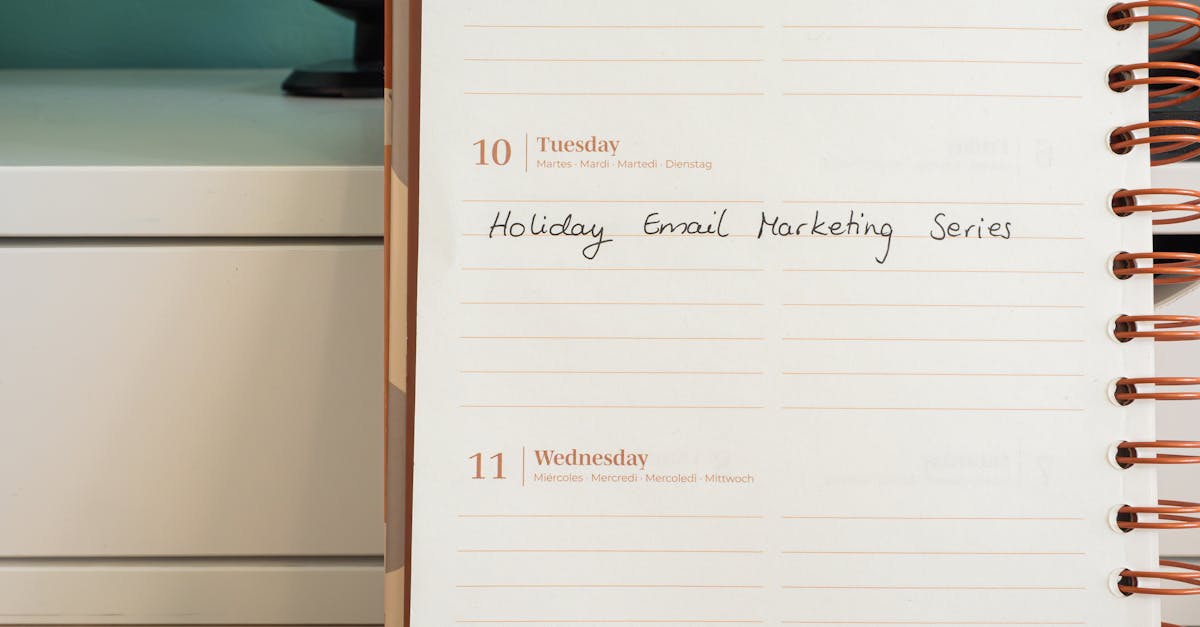
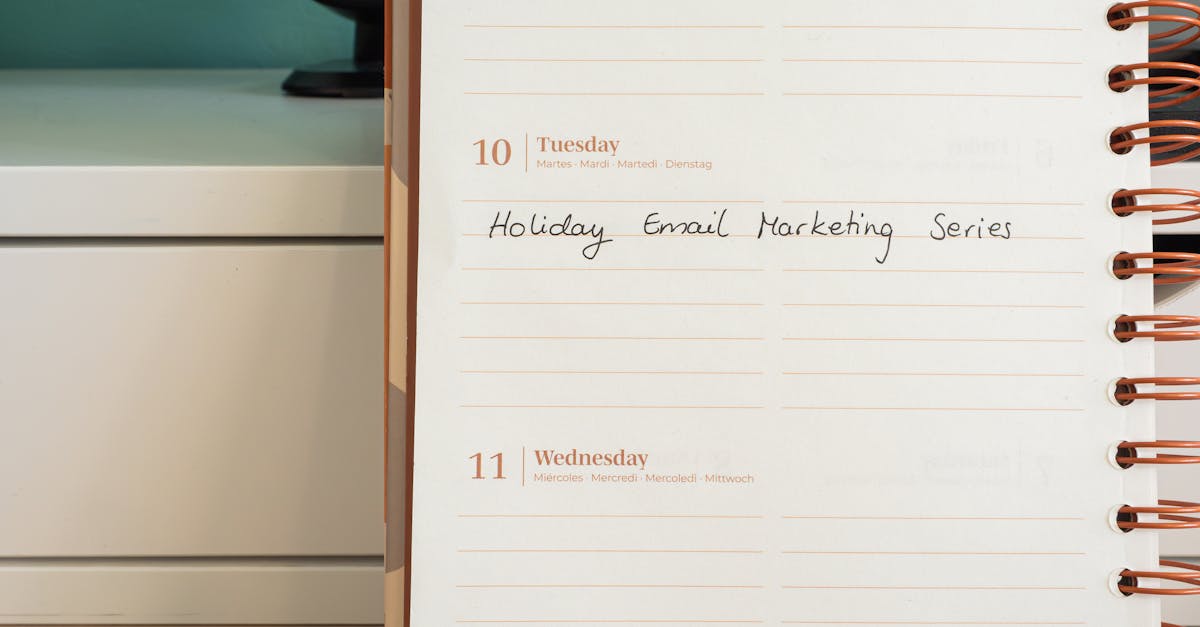
Some people love the tactile feel of a physical wall calendar with sticky notes. If that is you, go for it! Just make sure it is digitized eventually so your remote team can see it. Digital tools are usually superior because they allow for attachments, links, and automated reminders, but never underestimate the power of seeing your entire year at a glance on a whiteboard.
5. Mapping Out Your Content Pillars
Content pillars are the three to five main themes that your brand stands for. By sticking to these, you stay on brand and prevent your marketing from feeling fragmented. For a fitness coach, the pillars might be nutrition, workout routines, and mental health. Every single post you make should fall under one of these buckets.
5.1 The Art of Balancing Different Content Types
You need a mix of content to keep your audience engaged. A good rule of thumb is the 80/20 rule. Eighty percent of your content should inform, educate, or entertain. Only twenty percent should be direct sales pitches. If you only sell, people will tune you out. If you only inform, you never convert. Balance is the key to keeping your audience curious and receptive.
6. Integrating Seasonal Trends and Holidays
Every industry has its own rhythm. Retailers have Black Friday, while accountants have tax season. Look at your calendar and mark these major dates first. These are your anchors. Once you know when these big waves are coming, you can start building content around them weeks in advance. This gives you a massive advantage over competitors who are scrambling to react at the last minute.
7. Establishing a Realistic Posting Cadence
Quality will always beat quantity. Do not promise a daily newsletter if you do not have the time to write one well. It is better to show up three times a week with incredible, high value content than to post every day with fluff. Your audience will thank you for the consistency, and your sanity will thank you for the reduced workload.
7.1 Why Consistency Beats Intensity Every Time
Marketing is a marathon, not a sprint. Intense bursts of activity followed by weeks of silence create a “ghost town” effect on your social media channels. Build a schedule you can maintain for six months straight. That steady rhythm builds trust and keeps your brand top of mind for your customers.
8. Building an Efficient Production Workflow
A calendar is useless if you do not have the production process to fill it. You need a system for brainstorming, drafting, designing, and scheduling. Treat your marketing like a newsroom. Have a set day for brainstorming, a set day for creation, and a set day for scheduling.
8.1 Roles and Responsibilities for Your Team
Who is doing what? If you are a team of one, use automation tools to handle the scheduling. If you have a team, define clear roles. One person should be the editor, one the designer, and one the final gatekeeper. Having clear ownership of every task prevents things from falling through the cracks.
9. Executing Your Calendar with Precision
Now that you have your plan, it is time to do the work. The secret to execution is batching. Write all your social media posts for the month in one afternoon. Film all your videos on the same day. By staying in the zone, you work faster and produce higher quality content than if you were switching back and forth between different types of tasks every day.
10. Tracking Metrics and Refining Your Strategy
You cannot improve what you do not measure. At the end of every month, take a look at the data. Which posts performed well? Which ones fell flat? Dig into the numbers to see what resonated with your audience. Did they prefer long form videos or short tips? Use these insights to update your calendar for the following month.
10.1 Making Data Driven Adjustments
Your calendar is a living document, not a stone tablet. If you notice a particular topic is driving massive engagement, pivot your calendar to include more of it. Be prepared to delete or move items that just aren’t hitting the mark. Your goal is to be agile while remaining strategic.
11. Avoiding Common Pitfalls in Marketing Planning
The most common mistake is overcomplicating it. Many people spend more time designing the perfect calendar than actually creating content. Start simple. You can always add more complexity later. Another trap is failing to leave room for spontaneity. Always leave a few empty slots in your week to address trending news or reactive content. You want a plan, but you don’t want a straightjacket.
12. Conclusion: Staying the Course for Long Term Success
Creating a marketing calendar is the ultimate act of respect for your own time and your audience’s attention. By moving from a reactive state to a proactive one, you gain the clarity needed to grow your business effectively. It is not just about filling squares on a page; it is about building a sustainable system that works for you, even when you are busy running the rest of your company. Keep it simple, stay consistent, and remember to measure your results. Before you know it, you will stop wondering what to post and start watching your numbers grow.
13. Frequently Asked Questions
Q: How far in advance should I plan my marketing?
A: Planning one month in advance is the sweet spot for most businesses. It gives you enough time to execute while staying flexible enough to adapt to market changes. Quarterly high level planning is also great for setting themes.
Q: What if I don’t have a big budget for tools?
A: You don’t need one! Google Sheets, Trello, and Notion are free or have excellent free tiers. Focus on the strategy, not the software. A basic spreadsheet is infinitely better than an expensive tool you don’t know how to use.
Q: How do I handle reactive content in my calendar?
A: Leave “buffer days” or “flex slots” in your calendar. By leaving 10 percent of your space empty, you have room to jump on breaking news or trends without ruining your entire production schedule.
Q: How often should I check my analytics?
A: Monthly reviews are best for long term strategy, but a quick look every week is helpful to see if something is going viral or if a specific campaign is underperforming. Don’t obsess over daily metrics.
Q: What is the most important part of the calendar?
A: The most important part is consistency. A mediocre plan that is followed consistently will always outperform a perfect plan that is abandoned after two weeks. Just keep going!