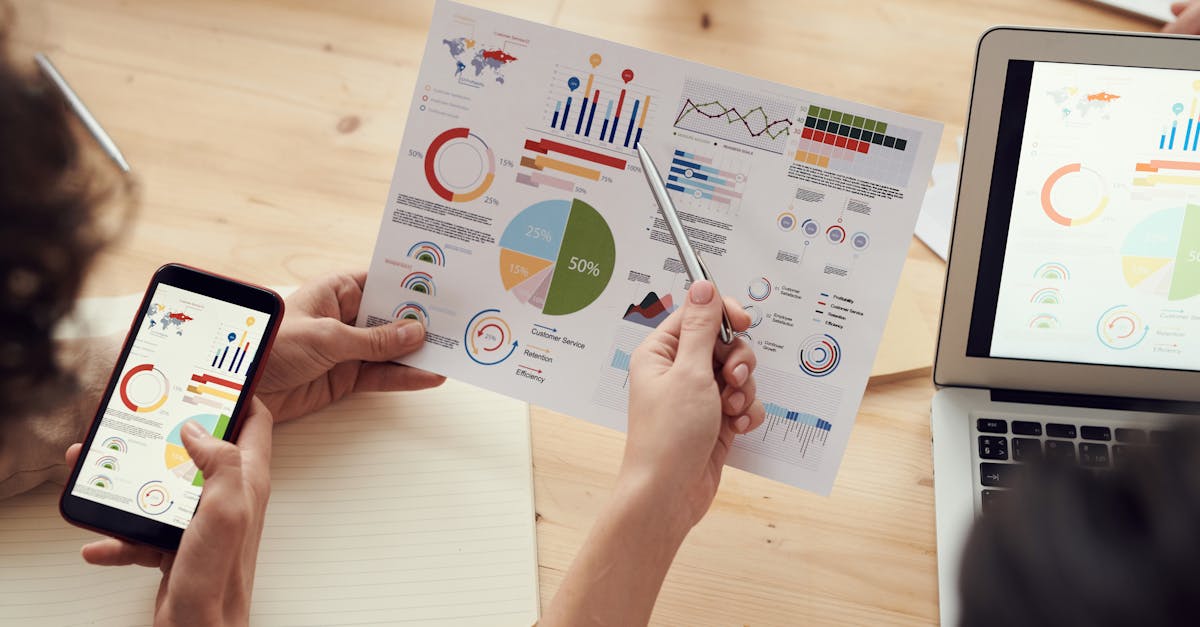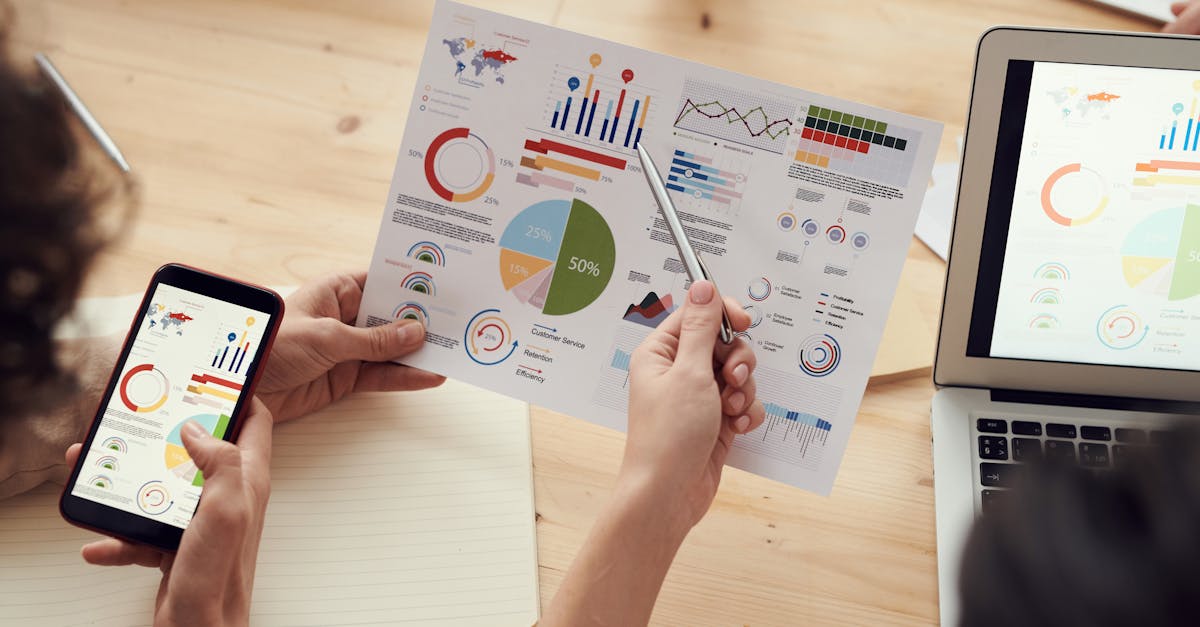
The Hidden Power of Visual Communication
Have you ever clicked on a website only to close it within seconds because it looked like a digital disaster? We have all been there. Design is not just about making things look pretty; it is the silent language of your brand. Think of your marketing materials as the clothes your business wears. If you show up to a gala in a bathing suit, people will notice, but not in the way you want. Good design is the difference between being ignored and being remembered.
Why Design Is the Backbone of Modern Marketing
In a world where attention spans are shorter than a goldfish in a blender, your design has to do the heavy lifting. Design acts as the bridge between your complex ideas and the consumer’s understanding. When you invest in high quality design, you are signaling to your audience that your product or service is professional, reliable, and worth their time.
The Psychology of Visuals and Consumer Behavior
Our brains process images sixty thousand times faster than text. This is why a single photograph can evoke feelings of nostalgia, trust, or urgency before a user reads a single word of your copy. Marketing is fundamentally about influencing behavior, and design is the psychological trigger that nudges users toward a decision.
The Eight Second Rule: Making First Impressions Count
Research suggests you have about eight seconds to hook a visitor before they decide to leave. If your layout is cluttered or your images are low resolution, your bounce rate will skyrocket. Your design must immediately answer two questions: Who are you, and why should I care?
Branding Consistency: The Secret Sauce of Recognition
Consistency is the heartbeat of brand identity. If your social media looks like a neon disco but your website looks like a legal document, your audience will feel disoriented. Consistent fonts, colors, and imagery create a sense of stability. It makes your brand feel like a familiar friend rather than a random stranger.
User Experience and Design: A Seamless Journey
Design is functional, not just aesthetic. User Experience (UX) design is about removing obstacles. If a customer wants to buy your product, the path to the checkout button should be as smooth as silk. If your design complicates the process, you are essentially asking your customers to walk through mud to give you their money.
Building Emotional Connections Through Strategic Imagery
People make purchasing decisions based on emotion and then justify them with logic later. If you want to build a loyal community, your design must tell a story. Use photos that represent the lifestyle your customers aspire to, or illustrations that capture the personality of your company.
How Design Directly Impacts Conversion Rates
Conversion Rate Optimization (CRO) is where art meets science. Strategic design, such as placing a clear Call to Action button in a high visibility spot or using whitespace to isolate a product image, can drastically improve your sales numbers. It is about guiding the human eye toward the goal you want them to achieve.
The Science of Color Theory in Driving Action
Colors are not just decorative; they are persuasive. Blue often conveys trust and security, while red creates urgency and excitement. If you use a dull, uninspired color palette, you are missing out on the subconscious psychological cues that push users toward clicking that buy button.
Typography: More Than Just Choosing a Font
The way your text looks carries just as much weight as what it says. A clean, sans serif font might suggest innovation and modernity, while a traditional serif font conveys authority and history. You must ensure your typography is readable; if people have to squint to read your message, they will simply scroll past it.
Mastering Visual Hierarchy to Guide the Eye
How do you ensure users see what you want them to see? Through visual hierarchy. By playing with size, color, and positioning, you create a path for the reader’s eye. Your most important message should be the biggest and boldest element on the page. Everything else should support that primary focal point.
Designing for the Mobile First Era
If your design does not look good on a smartphone, you are effectively ignoring the majority of your potential audience. Mobile design requires simplicity. It means stripping away the fluff and focusing on the essential elements that can be navigated with a single thumb tap.
Why You Should Let Data Drive Your Creative Choices
Your personal taste is irrelevant; your data is everything. Using A/B testing allows you to see exactly which design elements result in more clicks. Perhaps a green button outperforms a blue one, or a hero image of a person performs better than an abstract graphic. Data removes the guesswork from design.
Common Design Mistakes That Kill Marketing Results
Many businesses fail because they try to do too much. Here are a few common pitfalls:
- Overcrowding the page with too many images and text blocks.
- Using low quality stock photos that feel fake and impersonal.
- Ignoring whitespace and creating a cramped, chaotic aesthetic.
- Inconsistent branding that confuses the user.
- Creating designs that take too long to load on slow internet connections.
The Future of Design in a Digital World
We are moving toward a future of interactive and personalized design. With the rise of AI and motion graphics, static images are slowly taking a backseat to dynamic, engaging experiences. Brands that adapt to these trends will be the ones that capture the imagination of the modern consumer.
Conclusion
Design is the silent salesman of your business. It works twenty four hours a day to communicate your values, build trust, and guide customers toward a purchase. When you treat design as an integral part of your marketing strategy rather than an afterthought, you open the door to higher conversion rates and stronger brand loyalty. Start prioritizing your visual communication today, and you will see how much of a difference a well placed pixel can make in your bottom line.
Frequently Asked Questions
1. How does design influence my SEO ranking?
Search engines like Google prioritize user experience. If your design is mobile friendly, fast, and easy to navigate, users stay longer, which signals to search engines that your site is valuable.
2. Is minimalism always better in design?
Minimalism is powerful because it removes distractions, but it is not the only way. The key is clarity. As long as your design directs the user’s attention exactly where it needs to go, it is effective.
3. How can I measure the ROI of good design?
You can measure it through metrics like bounce rates, click through rates on buttons, time spent on page, and ultimately, your conversion rates. If your design is working, these numbers will trend upward.
4. How often should I update my brand design?
You should aim for a fresh look every few years to keep up with current standards, but ensure you maintain brand consistency so you do not alienate your existing customer base.
5. Can I use free stock photos for my marketing?
You can, but be careful. If the photo looks generic or overused, it can hurt your credibility. Try to use unique photography or customize stock images to better fit your brand aesthetic.